ByJohn A
How Pole Mount Transformers Support Power Distribution in Rural and Urban Areas
Electricity travels through a network of transmission lines, substations, distribution feeders, and local equipment before reaching homes, shops, farms, and industrial facilities. One important part of this network is the distribution transformer, which reduces voltage to a level suitable for local use. In many overhead distribution systems, transformers installed on utility poles provide this service without requiring a ground-level installation.
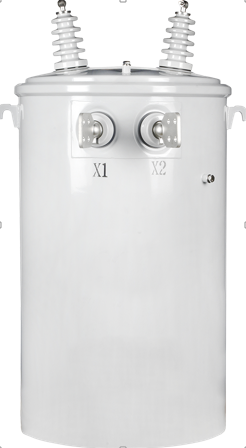
Pole mount transformers are commonly used in rural communities, residential neighbourhoods, and areas where overhead electrical lines remain a practical distribution option. Their elevated installation helps utilities serve local loads while making use of existing pole infrastructure. The equipment must be selected and installed according to the electrical demand, environmental conditions, safety requirements, and design standards of the distribution network.
How a Pole-Mounted Transformer Works
Electricity supplied through distribution feeders may arrive at a voltage too high for direct use by ordinary household appliances. A distribution transformer uses electromagnetic induction to reduce that voltage to a suitable level for the connected loads.
The primary winding receives electrical energy at the incoming distribution voltage, while the secondary winding supplies electricity at the required utilisation voltage. The exact voltage levels depend on the local utility system and the transformer’s design.
A typical installation includes the transformer, supporting pole, mounting hardware, electrical connections, and associated protective equipment. Depending on the network design, the arrangement may also include fuses, surge arresters, grounding provisions, and other components needed for safe operation.
The transformer does not generate electricity or increase the amount of energy available from the grid. Its job is to change voltage levels so that electricity can be distributed to consumers through the appropriate local network.
See also: How Life Insurers Can Improve Policyholder Support During Policy Issuance and Onboarding
Why Rural Communities Use Them
Rural distribution networks often cover large geographical areas with homes, farms, workshops, and small businesses spread across considerable distances. Extending underground infrastructure to every property can be expensive, particularly where demand is relatively low and the terrain makes excavation difficult.
Overhead distribution systems can provide a practical alternative in these locations. A pole-mounted transformer can serve a local group of customers without requiring a separate ground-level transformer enclosure. Utilities can position equipment along existing distribution routes, subject to load calculations, pole capacity, access, and safety clearances.
Agricultural operations may require electricity for irrigation pumps, grain handling, refrigeration, livestock facilities, and other equipment. Small rural businesses can also depend on reliable power for daily operations. Correctly sized transformers help supply these loads at the required voltage.
Distance still matters. Long distribution lines can experience voltage drop, and a transformer cannot correct every problem caused by an undersized feeder or inadequate network design. Utilities must assess conductor capacity, expected demand, voltage regulation, and the placement of distribution equipment together.
Their Role in Urban Neighbourhoods
Cities and towns have different distribution challenges. Electricity demand may be concentrated in residential streets, shops, apartment developments, and small commercial premises. In areas with overhead utility lines, pole-mounted equipment can supply local loads without occupying additional ground space.
A transformer installed on a pole may be suitable for a street with detached homes or a modest commercial load. Its position above ground can also leave pavements and property access areas free from a separate transformer cabinet, although the pole itself and the required safety clearances still occupy space.
Not every urban location is suitable for this arrangement. Dense developments, large buildings, underground distribution networks, and high-demand commercial sites may require pad-mounted transformers, indoor substations, or other equipment configurations.
Utilities select the arrangement according to available space, load requirements, network layout, public safety, and local regulations. The choice is an engineering decision rather than a simple preference for one transformer type over another.
Benefits of an Elevated Installation
The elevated position of a pole-mounted transformer provides several practical advantages for overhead networks.
Efficient use of space: The equipment is supported above ground, reducing the need for a dedicated ground-level footprint. This can be useful along roads and property boundaries where space is limited.
Compatibility with overhead lines: Pole-mounted installations can connect directly to overhead distribution feeders and local service arrangements designed for that network.
Reduced exposure to some ground-level hazards: Raising the transformer can limit direct contact with vehicles, landscaping equipment, and certain types of surface flooding. It does not make the equipment immune to flooding, storms, or other environmental damage.
Access for utility maintenance: Trained utility crews can inspect and service the installation using approved procedures and equipment. The arrangement must provide safe access and comply with required working clearances.
These advantages depend on correct design and installation. Pole strength, mounting hardware, transformer weight, wind loading, and the condition of the supporting structure all need proper assessment.
Choosing the Correct Transformer Rating
The transformer rating must match the demand of the customers it serves. Selecting a unit solely on the basis of the number of nearby properties can lead to an inaccurate estimate because household and commercial loads vary significantly.
Engineers consider connected equipment, expected maximum demand, load diversity, motor-starting currents, and anticipated development. They also account for the primary and secondary voltages, system frequency, phase configuration, and the utility’s standard equipment ratings.
An undersized transformer may experience excessive loading, overheating, or reduced service life. An oversized unit can increase capital costs and may operate less efficiently under light-load conditions, depending on its design and operating profile.
The design must also account for voltage regulation, short-circuit performance, protection coordination, and the capacity of connected conductors. Where additional homes or businesses are planned, demand forecasts help determine whether the proposed installation can meet future requirements.
Weather Resistance and Routine Maintenance
Outdoor electrical equipment faces rain, humidity, heat, dust, wind, and seasonal temperature changes. In some regions, lightning, coastal corrosion, snow, or severe storms add further demands.
The transformer enclosure, insulation system, bushings, connections, and mounting components must be suitable for the intended environment. Surge protection and grounding arrangements help address electrical hazards when designed and installed according to the applicable standards.
Routine inspection can identify signs of leakage, corrosion, damaged components, unusual noise, overheating, or deterioration of the supporting pole. Utilities may also monitor loading and investigate repeated voltage complaints or service interruptions.
Vegetation management matters because branches can interfere with overhead lines or create hazards during storms. Damaged poles and loose hardware should be assessed by qualified utility personnel rather than repaired by property owners.
Although pole mount transformers can serve for many years, their service life depends on loading, installation quality, environmental exposure, maintenance, and the condition of the wider electrical network.
Safety and Installation Requirements
Transformers mounted on utility poles carry potentially lethal voltages. Installation, inspection, testing, and repair must be performed by authorised personnel using the required protective equipment and safety procedures.
Utilities must maintain prescribed clearances from buildings, roads, trees, communication cables, and areas accessible to the public. Pole loading calculations should account for the transformer, conductors, mounting brackets, wind forces, and other equipment attached to the structure.
Grounding and protective devices must follow the network design and relevant electrical standards. Correct fuse selection and protection coordination help isolate faults while limiting the risk of equipment damage.
Residents should never climb utility poles, touch fallen wires, approach damaged electrical equipment, or attempt to remove objects caught in overhead lines. Any suspected electrical hazard should be reported to the utility or emergency service responsible for the area.
Supporting Reliable Local Electricity Supply
Pole-mounted distribution equipment provides a practical way to deliver usable electricity through overhead networks in many rural and urban settings. Its suitability depends on local demand, available infrastructure, environmental conditions, and the safety requirements governing the installation.
A properly specified transformer can help maintain appropriate voltage levels for connected customers while making effective use of existing utility poles and distribution routes. Long-term performance also depends on feeder capacity, protective equipment, sound installation practices, and regular utility maintenance.
For distribution projects, choosing the right transformer requires a complete assessment of present demand and expected growth. Matching the equipment to those requirements helps utilities provide dependable service to the communities that rely on it every day.