ByJohn A
How Rooflights for Pitched Roof Designs Bring Character to Modern Homes
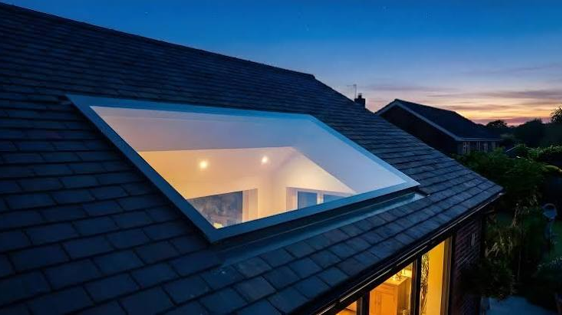
A roof can do much more than protect a house from the weather. Its shape, materials, and openings influence the atmosphere inside every room beneath it. In modern homes, pitched roofs offer an opportunity to introduce natural light, create visual interest, and make ordinary interiors feel more connected to the outdoors. Adding rooflights to these structures brings daylight into areas that might otherwise remain dim, giving rooms a distinctive character without changing the original layout.
Rooflights for pitched roof designs suit a range of architectural styles, from traditional cottages with sloping ceilings to contemporary homes featuring clean lines and open-plan living spaces. Their appeal lies in the way they combine practical daylighting with an architectural feature that feels like a natural part of the building.
Natural Light That Changes the Mood of a Room
Natural light affects how people experience their homes. A room with limited daylight can feel enclosed, particularly beneath a sloping roof where conventional windows may not be practical. Rooflights provide another route for sunlight, allowing it to enter from above and spread across ceilings, walls, and floors.
The effect changes throughout the day. Morning light can brighten a bedroom gradually, while afternoon sunshine may bring warmth and definition to a living area. Even on overcast days, rooflights can help interiors feel more open by drawing in available daylight.
This can be especially useful in loft conversions, attic bedrooms, home offices, and upper-floor bathrooms. These spaces often have limited wall space for conventional windows, making roof-mounted glazing a sensible architectural choice.
See also: Why Weightlifting Shoes Matter for Stability During Heavy Lifts
Pitched Roofs Offer More Than a Traditional Silhouette
The sloping profile of a pitched roof gives a building a recognisable outline. Inside, the same slope creates opportunities for interesting ceiling shapes, exposed rafters, and rooms with a greater sense of height.
Installing rooflights makes these architectural details easier to appreciate. Sunlight can highlight timber beams, reveal the texture of plastered ceilings, and create changing patterns across interior surfaces. Instead of treating the roof as an unused boundary, homeowners can make it an active part of the room’s design.
For contemporary properties, rooflights can complement simple materials such as timber, stone, glass, and neutral-coloured walls. In older homes, carefully positioned glazing can introduce more daylight while allowing original features to remain the centre of attention.
The result does not need to look overly elaborate. A well-positioned rooflight can provide enough visual interest on its own.
A Brighter Loft Without Losing Its Character
Loft conversions frequently introduce useful living space, but the finished room can feel cramped if daylight is restricted. Sloping ceilings and low eaves may limit the placement of standard windows, leaving corners in shadow.
Rooflights help address this problem by bringing light directly into the upper part of the room. Depending on their size and position, they can make a loft bedroom feel calmer, give a study a more pleasant working environment, or help a small sitting area appear more spacious.
Their placement deserves careful thought. A rooflight positioned above a desk can provide useful daytime illumination, while one above a seating area may create a comfortable place to read or relax. In a bedroom, the view of the sky can add a quiet visual element that ordinary wall windows may not offer.
Homeowners should also consider privacy, ventilation, and the amount of direct sunlight the room receives. Roof orientation and surrounding buildings can influence the final result.
Architectural Character Through Shape and Placement
Rooflights do not all create the same visual effect. Their dimensions, frame finishes, and arrangement can influence the appearance of both the interior and the roof exterior.
A single rooflight may suit a compact room or a restrained architectural design. Two or more units arranged in a line can create a stronger visual rhythm, particularly in long kitchens, hallways, and open-plan spaces. Larger glazing areas can make a striking feature of a pitched ceiling, provided the roof structure and building design can accommodate them.
Frame colour is another detail worth considering. Dark frames may complement exposed timber or contemporary metal finishes, while lighter frames can blend into pale ceilings. The best choice depends on the existing materials and the overall character of the property.
Proportion matters just as much as appearance. A rooflight should feel connected to the room rather than added as an afterthought. Considering furniture placement, ceiling height, and the direction of daylight before installation helps create a more balanced design.
Bringing the Outdoors Into Everyday Living
A rooflight offers a different view of the outdoors. Rather than looking across a garden or street, occupants can see passing clouds, changing skies, and the movement of daylight throughout the day.
This view can add interest to rooms where the main activity happens indoors. A kitchen may feel more welcoming with daylight above the dining area, while a bathroom can gain a more open atmosphere without sacrificing privacy at eye level. In a home office, a view of the sky can provide a welcome visual break during long periods of screen work.
The connection is particularly appealing in urban homes, where garden space may be limited. Even a modest opening in the roof can introduce a view that makes the interior feel less enclosed.
Rooflights also work well alongside other glazing. Combining them with vertical windows or glazed doors can distribute daylight across different parts of the home, although the layout should be planned to avoid excessive glare or unwanted heat.
Comfort Depends on the Right Specification
Appearance and daylight are only part of a successful rooflight installation. Thermal performance, weather resistance, ventilation, and ease of maintenance all affect how well the finished design performs.
Good-quality glazing can help reduce unwanted heat transfer, supporting a more comfortable indoor temperature throughout the year. Solar-control options may be useful in rooms that receive strong direct sunlight, while suitable ventilation can help manage condensation and improve airflow.
The roof covering and pitch must also match the rooflight manufacturer’s installation requirements. Flashings, insulation, and weatherproof seals need to be fitted correctly to prevent water ingress and minimise heat loss. For some projects, structural changes may be necessary, so professional advice should be obtained before work begins.
Building regulations and planning requirements may apply, particularly to loft conversions or alterations to existing roofs. Checking these requirements early helps prevent delays and ensures that the proposed design is suitable for the property.
Choosing a Design That Fits the Home
The most successful rooflight projects begin with the room’s purpose rather than the glazing itself. A family kitchen may benefit from broad daylight across a worktop, while a small bathroom may need a more compact unit that prioritises privacy and ventilation.
Homeowners should assess the roof’s orientation, available structural space, surrounding obstructions, and the amount of sunlight expected at different times of the year. They should also consider how the rooflight will look from outside, especially on homes where the roof forms a prominent part of the building’s appearance.
For a cohesive finish, frame materials and proportions should complement the roof covering and the interior design. Maintenance requirements, opening mechanisms, and cleaning access are practical details that deserve attention before a final decision is made.
A thoughtful specification allows the rooflight to contribute to the home’s character without creating unnecessary compromises in comfort or usability.
A Small Opening With a Lasting Visual Effect
Pitched roofs already give homes a strong architectural identity, but their interiors can sometimes miss out on the daylight available elsewhere in the building. Rooflights make better use of that space, bringing changing natural light into rooms and drawing attention to ceiling shapes, materials, and views of the sky.
From a converted attic to a contemporary open-plan extension, rooflights for pitched roof designs can make interiors feel brighter while preserving the distinctive outline of the building. Their success depends on more than size alone; thoughtful positioning, suitable glazing, and careful installation determine how well they work over time.
A well-planned rooflight becomes part of the home’s everyday experience. It brightens the breakfast table, gives a quiet corner a view of the clouds, and allows the architecture overhead to contribute something meaningful to the room below.