ByJohn A
Marine Piling Lights: Important Features Every Dock Owner Should Know
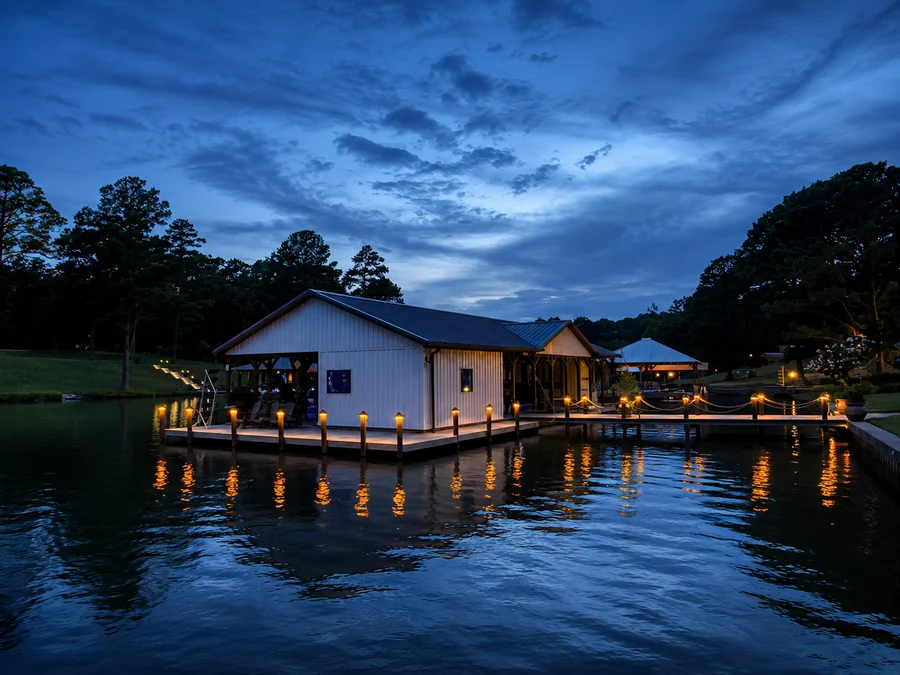
Marine piling lights help define the edges of docks, piers, jetties, and marina berths after sunset. Mounted on or near structural pilings, they provide illumination without taking up valuable space on narrow walkways. They can also give waterfront structures a consistent appearance that complements the surrounding property.
Choosing the right fixtures requires more than comparing designs and prices. Dock owners need to consider water exposure, corrosion resistance, brightness, power supply, mounting compatibility, and ongoing maintenance.
A light suitable for a sheltered residential dock may not withstand the conditions experienced at an exposed coastal marina. Reviewing the installation environment before purchasing can help avoid premature failures and unnecessary replacement costs.
Marine-Grade Materials and Construction
Dock lighting is exposed to rain, humidity, salt spray, and temperature changes. Fixtures designed for indoor or ordinary garden use may deteriorate quickly if installed in a demanding marine environment.
Look for housings and finishes intended for the expected conditions. Protected aluminium, suitable grades of stainless steel, and durable marine-grade polymers are commonly used in marine piling lights, but their performance depends on the specific material and construction.
Fasteners and mounting brackets deserve equal attention. A well-made light can still become loose if its hardware corrodes or fails under repeated movement. Using compatible materials can also reduce the risk of galvanic corrosion, which may occur when dissimilar metals interact in a conductive environment.
Ask the supplier about the fixture’s intended application, corrosion resistance, warranty conditions, and recommended maintenance. Products designed specifically for saltwater exposure may be more appropriate for coastal docks than general outdoor lighting.
Water Protection Must Match the Location
The word waterproof can refer to different levels of protection. An ingress protection rating helps establish how a fixture performs against dust and water under specified test conditions.
The required protection depends on the mounting position. A light above the waterline that receives rain needs different protection from a fixture exposed to repeated splashing, waves, or occasional flooding.
Consider the most demanding realistic conditions at the site. Storms, passing vessels, and seasonal water-level changes can expose fixtures to water that they rarely encounter during calm weather.
For underwater applications, confirm the manufacturer’s stated immersion limits and intended installation depth. A high IP rating alone does not establish suitability for continuous submersion at every depth.
Cable entries, seals, connectors, and mounting points must also maintain suitable protection. A well-sealed lamp housing cannot compensate for an unsuitable cable connection.
Brightness and Beam Direction
Piling lights should help people identify dock boundaries without creating distracting glare. The required brightness depends on the dimensions of the dock, the spacing between fixtures, the height of the mounting point, and the activities taking place.
A private dock may need relatively modest illumination to mark its edges, while a busy marina could require additional lighting around access gates, ladders, and working areas.
Lumens indicate the amount of light produced, but they do not tell the entire story. Beam angle, lens design, and light distribution affect how much illumination reaches the intended surface.
Downward-directed fixtures can illuminate parts of the dock while limiting light spill across the water. Shielded designs may also reduce glare for people approaching by boat.
Excessively bright lighting can make it harder to see beyond the illuminated area. Reflections from the water can create further distractions, so balanced illumination is generally preferable to installing the brightest available fixtures.
Selecting a Suitable Power Supply
Marine piling lights commonly use wired electricity, solar power, or rechargeable batteries. The right arrangement depends on the dock’s size, available sunlight, operating hours, and existing electrical infrastructure.
Wired systems can provide consistent power when correctly designed and installed. They may suit larger docks and commercial marinas that require regular illumination throughout the evening. However, installation costs, cable routing, electrical protection, and future servicing must be considered.
Solar-powered lights can be useful at remote locations where running cables would be difficult. Their performance depends on sunlight exposure, panel condition, battery capacity, and seasonal weather. Shaded docks may not receive sufficient sunlight for reliable operation throughout the year.
Battery-powered fixtures may simplify installation but require a plan for charging or battery replacement.
Before selecting a system, estimate the number of fixtures, expected operating hours, and desired brightness. Electrical installations near water should comply with local regulations and be assessed by a qualified professional where required.
Check the Piling Dimensions Before Ordering
A piling light must fit securely on the dock structure. Piling tops vary in shape and dimensions, so measurements should be taken before purchasing fixtures.
Check the width, diameter, and shape of the mounting surface, along with the available fixing points. Some products fit specific piling profiles, while others offer adjustable mounting arrangements.
A poor fit can allow the fixture to move, expose parts of the structure, or collect water in unsuitable locations. Wind, vibration, and contact with equipment can gradually loosen an inadequately secured light.
The mounting method should allow access for cleaning and inspection. Fixtures installed where they cannot be reached safely may become difficult to maintain.
The condition of the piling also matters. Lighting hardware should not be attached to deteriorated timber or a damaged structural support without an appropriate assessment.
Style and Finish for Different Waterfront Settings
Piling lights are visible features of a dock, so their appearance can influence the overall design. A consistent row of fixtures can complement the structure and help the waterfront area look organised.
Dark finishes may suit contemporary properties, while traditional cap designs can complement timber piers and classic marina layouts. The best choice depends on the dock materials, nearby buildings, and surrounding landscape.
Appearance should not take priority over durability. Finishes need to withstand sunlight and moisture, while lenses should remain clear enough to provide useful illumination.
Consider how the lights appear from the water as well as from the dock. Fixtures that shine directly toward nearby vessels or neighbouring properties may cause discomfort and reduce visibility.
Testing one fixture at night can help owners assess its brightness, colour, and beam direction before installing a complete set.
Maintenance and Long-Term Costs
The purchase price does not represent the full cost of marine piling lights. Installation, electricity, battery replacement, cleaning, repairs, and eventual fixture replacement all affect the total expense.
LED models generally use less electricity than many older lighting technologies and may have long rated operating lives. However, batteries, drivers, seals, and other components may require attention before the LED light source reaches its rated life.
Check the warranty, availability of replacement parts, and manufacturer’s service recommendations. These details can make a difference if a fixture develops a fault several years after installation.
For larger docks, a regular inspection schedule helps identify loose fittings, corrosion, and changes in brightness before they become serious problems. Recording repairs also makes future maintenance easier to organise.
Choose Lights for the Conditions They Will Face
Marine piling lights should be selected according to the dock’s actual environment and intended use. Water protection, corrosion resistance, brightness, power requirements, mounting compatibility, and service access all affect performance.
By reviewing these details before purchasing, dock owners can avoid mismatched fixtures and reduce avoidable maintenance. The most suitable lighting system provides appropriate visibility, fits the existing structure, and remains practical to operate in the conditions the dock experiences.