ByJohn A
Why Custom Jute Rugs Are a Popular Choice for Modern Interiors
Natural materials have a distinctive place in interior design. Timber furniture, linen upholstery, woven baskets and stone surfaces introduce texture without relying on bold colours or elaborate patterns. Jute rugs fit comfortably into this style, offering a woven finish that can make a room feel warmer and more inviting.
Custom jute rugs provide an additional advantage: their dimensions and shape can be selected to suit the space rather than adjusted around a standard retail size. This flexibility is useful in open-plan homes, apartments, bedrooms and living areas where furniture arrangements do not always match conventional rug dimensions.
Jute is not suitable for every room or household, but it can be a practical decorative choice when its characteristics are understood. The right rug depends on the flooring underneath, the amount of foot traffic and the way the room is used.
The Appeal of Natural Texture
Jute is a plant-based fibre used to produce textiles, ropes and woven home furnishings. Its natural colour usually ranges from pale straw to warm golden brown, although finished rugs can vary according to the fibre, weave and manufacturing process.
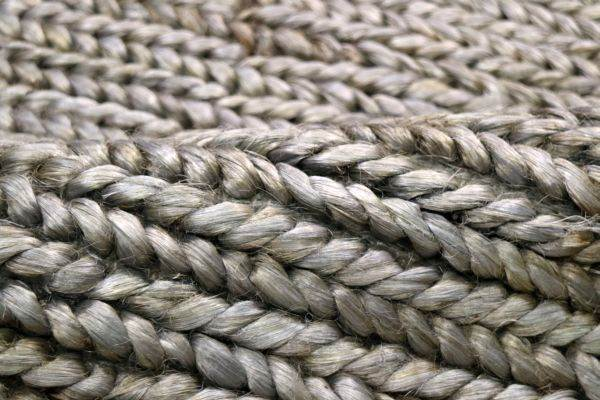
Unlike a smooth synthetic rug, jute typically has a visible woven texture. This creates subtle variation across the surface and gives the material a relaxed appearance.
The texture works particularly well in interiors that combine different natural finishes. A jute rug can sit beneath a timber coffee table, complement linen curtains or provide contrast against smooth stone flooring.
It can also soften rooms dominated by hard surfaces. In a living area with timber or tile floors, a rug introduces a visual boundary around the seating arrangement without making the room feel overly formal.
Custom Dimensions Suit Individual Room Layouts
A standard rug may be too short for a long lounge, too wide for a narrow bedroom or poorly proportioned for an open-plan dining area. Custom sizing allows homeowners to select dimensions based on the furniture and available floor space.
Living rooms
A custom jute rug can bring a sofa, coffee table and occasional chairs into one visual arrangement. Ideally, the rug should be large enough to relate to the furniture rather than appearing as a small island in the centre of the room.
Before ordering, mark the proposed rug dimensions on the floor using masking tape. This makes it easier to judge how much floor will remain visible and whether the rug will interfere with walkways.
Dining areas
The rug should allow chairs to move without catching on the edge. Measure the table and account for the space required when chairs are pulled out.
Jute can be attractive beneath a dining table, but food and drink spills require prompt attention. Households that eat frequently in this area should consider whether a natural fibre is practical for their cleaning routines.
Bedrooms
A custom rug can extend beyond the sides of a bed, provide a textured surface beneath the foot of the bed or create a defined dressing area.
The chosen dimensions should account for bedside tables, wardrobe doors and the main walking routes.
Entryways and corridors
A narrow custom rug can suit a long hallway, but entrances often experience wet shoes, outdoor dirt and frequent movement. Since jute can be sensitive to moisture, these locations may require a different material or a separate protective mat.
A Versatile Match for Different Interior Styles
Jute rugs are associated with natural and coastal interiors, but their neutral appearance allows them to work across several design styles.
In Scandinavian-inspired rooms, a simple woven rug complements pale timber, understated furniture and light walls. Its texture adds interest without disrupting the restrained colour scheme.
For coastal interiors, jute pairs well with white finishes, soft blue accents and natural fabrics. The material introduces warmth while maintaining a relaxed look.
In contemporary homes, a large jute rug can balance smooth furniture, glass tables and clean architectural lines. It offers a contrast between tactile flooring accessories and more polished finishes.
Jute also suits rustic and country-inspired rooms, where it can complement exposed timber, earthy colours and textured upholstery.
The weave and shape influence the final effect. A tightly woven rectangular rug may look more structured, while a round design can soften a room filled with straight furniture lines.
See also: How Can Lead Generation Help Businesses Attract Qualified Customers?
Natural Fibre and Environmental Considerations
Jute comes from a renewable plant source and is biodegradable under appropriate conditions. These characteristics appeal to buyers who prefer natural materials in their homes.
However, a natural fibre does not automatically make a product environmentally preferable in every respect. The overall impact also depends on cultivation, processing, dyes, backing materials, transportation, manufacturing and product lifespan.
A rug that wears out quickly may need replacing sooner than a well-made alternative. Checking construction quality and expected maintenance requirements can therefore be just as relevant as the fibre itself.
Buyers who prioritise environmental considerations can ask suppliers about the rug’s fibre composition, dyes, backing and packaging. Products made from blended materials may behave differently from rugs made entirely from jute.
Durability should be considered alongside material origin. Selecting a suitable rug for its intended room can help extend its useful life and reduce unnecessary replacement.
Understand Jute’s Strengths and Limitations
Jute provides a textured, natural appearance, but it behaves differently from synthetic fibres and wool. Understanding those differences helps prevent disappointment after installation.
Moisture sensitivity
Jute can absorb moisture, and prolonged dampness may cause staining, discolouration or unpleasant odours. Repeated exposure to moisture can also affect the rug’s condition.
For this reason, jute is generally better suited to dry indoor areas than bathrooms, damp basements or uncovered outdoor spaces. In humid homes, ventilation and prompt spill treatment are especially useful.
A rug should be allowed to dry thoroughly if it becomes damp, following the supplier’s care instructions. Extensive wetting may require professional advice.
Texture underfoot
The feel of jute varies with the weave and construction. Some rugs have a relatively firm surface, while others feel softer because of their particular yarns or blends.
They may not provide the plush comfort associated with a thick bedroom carpet. Buyers should inspect samples before ordering, particularly if the rug will be used in a room where people frequently sit or walk barefoot.
Shedding and wear
Some natural-fibre rugs release loose fibres, especially during initial use. Regular gentle vacuuming can help manage surface debris.
Furniture pressure and repeated friction can also affect the weave. Choose a suitable construction for the amount of traffic the rug will receive, and use furniture pads where appropriate.
Keep a Jute Rug Looking Presentable
Regular care can help preserve the appearance of a custom jute rug. Vacuuming removes dust and grit that might otherwise settle between the woven fibres. Use an appropriate setting and attachment so the vacuum does not pull or damage the weave.
For small spills, act promptly. Blot the affected area with a clean, dry cloth instead of rubbing the liquid into the fibres. Avoid applying large amounts of water or household cleaning products unless the manufacturer confirms they are suitable.
Persistent stains may require professional cleaning. Before using a treatment, test it in an inconspicuous area if the care instructions permit this.
Rotate the rug periodically to distribute wear and exposure to sunlight more evenly. Direct sunlight over long periods can change the colour of natural materials, so window coverings may help protect the rug.
If the rug has a backing, check the manufacturer’s recommendations for the type of underlay that can be used beneath it.
Select the Right Shape and Weave
Rectangular jute rugs remain a practical option for living rooms, dining areas and bedrooms because they follow the shape of many furniture arrangements.
Round rugs can soften compact spaces and work well beneath small tables or in reading corners. Oval designs provide a similar effect while offering a longer footprint.
The weave influences both appearance and performance. A tighter weave may provide a more uniform finish, while a chunkier construction creates a stronger textural effect. The appropriate choice depends on personal preference, furniture placement and expected use.
Border details can also influence the overall design. A contrasting edge adds definition, while a simple finish keeps attention on the natural fibre.
Request a sample or inspect a similar finished rug before finalising a custom order. Natural fibres can vary in shade, so slight differences between a sample and the completed item may occur.
Use Underlay for Better Stability
A rug underlay can help prevent movement and reduce friction between the rug and the floor. This is particularly useful on polished timber, laminate and tile, where rugs may slide during everyday use.
Choose an underlay compatible with both the rug backing and the floor finish. Some materials can leave marks or react with certain surfaces, so recommendations from the flooring supplier are worth following.
Make sure the rug lies flat and that its edges do not curl. Avoid placing it where doors catch the edge or where it narrows an essential walkway.
Make the Rug Part of a Considered Interior
A custom jute rug can bring natural texture and a measured sense of warmth to a room. Its neutral tones work with many colour palettes, while custom dimensions help accommodate furniture arrangements that standard sizes cannot easily serve.
The most satisfying choice balances appearance with practical requirements. Consider the room’s moisture levels, the texture underfoot, cleaning needs and the quality of construction before ordering.
For dry living areas, bedrooms and carefully planned interiors, a well-chosen jute rug can provide a useful decorative foundation that remains relevant as furniture and accessories change.