ByJohn A
How to Choose the Right Marine Hardware for Your Boat: Materials, Compatibility, and Maintenance
Marine hardware plays an essential role in the functionality, safety, and durability of a boat. From canvas attachment fittings and shade system components to deck hardware and fastening mechanisms, these parts help different systems work as intended. Selecting suitable hardware requires attention to material quality, dimensions, corrosion resistance, and compatibility with the vessel’s existing components.
Choosing the right marine hardware also involves understanding the conditions in which the fittings will be used. Saltwater exposure, humidity, temperature changes, and repeated mechanical stress can influence how hardware performs over time. Components designed for the wrong application may wear prematurely or fail to provide the required support.
By understanding common hardware types, comparing materials, and following appropriate maintenance practices, boat owners can make informed decisions when purchasing or replacing marine fittings.
What Is Marine Hardware and Why Does It Matter?
Marine hardware includes the fittings, fasteners, connectors, and support components used throughout boats and yachts. These products help secure equipment, attach canvas structures, support shade systems, and connect different parts of a vessel’s interior or exterior.
The correct hardware depends on its intended function, installation location, environmental exposure, and the loads it must withstand. Material quality and proper installation are equally important when assessing a component’s suitability.
Common Types of Marine Hardware and Boat Fittings
Marine hardware covers a broad range of components, including stainless steel fittings, snap hooks, canvas snaps, pad eyes, receivers, mounting brackets, and fasteners. Each component serves a specific purpose and must be selected according to the system in which it will be installed.
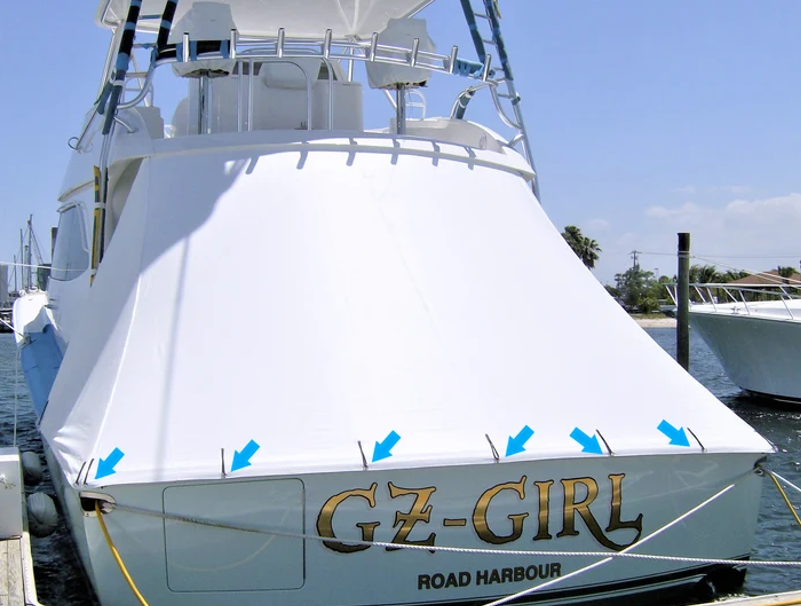
Canvas fittings help secure covers and fabric enclosures, while mounting hardware provides attachment points for different structures. Deck fittings support particular equipment and connections, depending on their design and load rating.
Understanding the function of each component makes it easier to identify the correct replacement and avoid purchasing fittings that appear similar but have incompatible dimensions or attachment methods.
Where Marine Hardware Is Used on Boats and Yachts
Hardware is used in numerous areas of a vessel, including deck structures, canvas covers, shade systems, enclosures, and certain interior installations. Its requirements vary according to the location and intended purpose.
Fittings used with boat covers may need to accommodate fabric tension and repeated installation or removal. Hardware supporting a shade system may need to withstand wind forces and movement. Deck-mounted components may also experience direct exposure to water and salt.
Matching the component to its intended application helps improve functionality and reduces the likelihood of premature wear.
How Marine Conditions Affect Hardware Performance
Marine environments expose hardware to moisture, salt deposits, sunlight, temperature fluctuations, and mechanical stress. These conditions can accelerate corrosion, weaken unsuitable materials, and affect moving or threaded components.
Saltwater environments generally create greater corrosion challenges than freshwater environments. However, freshwater exposure does not eliminate corrosion risks, particularly when moisture remains trapped around fittings or dissimilar metals come into contact.
Selecting appropriate materials and maintaining clean, dry attachment points where practical can help preserve hardware condition.
Which Materials Are Best for Marine Hardware?
Marine hardware materials should be selected according to the operating environment, required strength, weight restrictions, and compatibility with adjacent components. Stainless steel and marine-grade aluminum are common choices, although neither is appropriate for every application.
Benefits of 316 Stainless Steel Marine Hardware
Grade 316 stainless steel contains molybdenum, which improves its resistance to chloride-related corrosion compared with many conventional stainless steel grades. This makes it a common choice for marine fittings exposed to moisture and salt.
Its strength, durability, and corrosion resistance make it suitable for many canvas fittings, fasteners, and other marine hardware applications. Nevertheless, 316 stainless steel is not completely corrosion-proof. Surface contamination, poor maintenance, crevices, and unfavourable installation conditions can still contribute to corrosion.
When selecting stainless steel hardware, confirm the specified grade and ensure that its design is appropriate for the intended load and environment.
Marine-Grade Aluminum and Lightweight Components
Marine-grade aluminum is used where reducing weight is important. It can provide a useful combination of strength, corrosion resistance, and relatively low weight when the correct alloy and finish are selected.
Aluminum components may be suitable for certain support structures, brackets, and shade system parts. However, their suitability depends on the specific alloy, manufacturing process, protective finish, and installation conditions.
Pay particular attention to contact between aluminum and stainless steel. In the presence of an electrolyte such as saltwater, dissimilar metals can contribute to galvanic corrosion. Appropriate isolation methods and compatible fasteners may be necessary.
Choosing Materials for Saltwater and Freshwater Environments
The water conditions around a vessel should influence hardware selection. Saltwater contains chlorides that can increase corrosion risks, making suitable material grades and maintenance particularly important.
Freshwater vessels still require corrosion-resistant components because rain, condensation, pollutants, and prolonged dampness can affect hardware. Material selection should also consider whether fittings are exposed to direct spray, enclosed moisture, or frequent cleaning.
Review manufacturer specifications rather than relying on the term marine-grade alone. The exact material, finish, and intended application provide a more reliable basis for comparison.
How to Select the Right Marine Hardware for Your Boat
Selecting hardware involves more than matching the appearance of an existing fitting. Dimensions, mounting arrangements, load requirements, and environmental conditions all influence whether a component will function correctly.
Matching Hardware Size to the Intended Application
Check the fitting’s length, width, diameter, thread size, mounting pattern, and connection type where applicable. Small dimensional differences can prevent a replacement component from fitting properly or attaching securely.
For canvas systems, confirm that snaps, hooks, and receivers are compatible with the existing attachment arrangement. If a fitting connects to a pole or bracket, verify the relevant measurements before ordering.
Accurate measurements and product specifications can reduce installation problems and help avoid unnecessary modifications.
Checking Load Requirements and Attachment Points
Hardware supporting a structure must be appropriate for the loads it may encounter. These can include static weight, movement, fabric tension, and environmental forces such as wind.
Do not assume that a compact fitting is suitable for a high-load application simply because it is made from stainless steel. Material strength, component geometry, fastener selection, mounting surface, and installation quality all affect performance.
For load-bearing or safety-critical installations, follow the manufacturer’s requirements and seek qualified advice when necessary.
Ensuring Compatibility With Existing Canvas and Shade Systems
Canvas covers, fabric enclosures, and shade systems often use fittings designed to work together. Differences in snap size, receiver type, thread dimensions, or mounting arrangements can affect compatibility.
Before purchasing replacement hardware, identify the existing component and determine whether it uses a standard fitting or a system-specific part. Check the attachment method and the condition of the surrounding fabric or support structure as well.
Replacing worn fittings without addressing damaged attachment points may not resolve the underlying problem.
Selecting Hardware for Boat Covers, Enclosures, and Shade Poles
Boat covers and canvas enclosures may require snaps, hooks, pad eyes, and other attachment fittings. Shade systems may use receivers, brackets, and pole connections designed for a particular configuration.
Choose components according to their intended use and exposure conditions. Consider how frequently the system will be assembled, adjusted, or removed, since repeated movement can affect wear.
For more information about available fittings and product options, explore Canvas Designers. Review individual product specifications to determine which components match your vessel’s requirements.
Essential Marine Hardware Components and Their Uses
Understanding common fitting types helps boat owners identify replacement parts and assess whether a particular component suits their installation. Product names can vary, so descriptions and measurements should always be checked before ordering.
Snap Hooks, Canvas Snaps, and Cover Pins
Snap hooks provide detachable connections in compatible applications, while canvas snaps secure fabric covers and related components to their attachment points. Cover pins and similar fittings may be used in specific fastening arrangements.
These components should match the intended system and be suitable for the expected exposure and mechanical stress. Inspect the fastening mechanism, dimensions, and surrounding attachment material before replacing a worn fitting.
Pad Eyes, Receivers, and Attachment Fittings
Pad eyes provide attachment points for compatible lines, straps, or hardware. Receivers are designed to accept particular fittings, poles, or other components, depending on their construction.
Their shape, mounting method, and load rating determine where they can be used. Verify that the receiving component and the inserted fitting are designed to work together.
For any application involving significant loads, confirm the installation requirements rather than relying on appearance alone.
Anchor Fairleads and Deck Hardware
Fairleads guide lines through designated paths, helping control their direction and reducing contact with unsuitable edges. Other deck hardware may support equipment mounting, fastening, or specific vessel functions.
These components must be selected according to the intended line type, load, mounting surface, and environmental exposure. Deck hardware may require suitable backing plates, fasteners, and sealing arrangements to maintain a secure installation and help limit water intrusion.
Replacement Parts for Existing Marine Systems
Replacement hardware should match the dimensions and functional requirements of the original component. If the original part is damaged or unavailable, identify its purpose and installation specifications before choosing an alternative.
Check thread type, hole spacing, fitting diameter, material grade, and attachment method. Also inspect the surrounding fabric, fasteners, or mounting surface for damage that may have contributed to the original failure.
How to Maintain and Inspect Marine Hardware
Routine maintenance helps identify corrosion, loose fittings, and wear before these issues affect a boat’s equipment. Inspection frequency should reflect the operating environment, the component’s importance, and the manufacturer’s maintenance recommendations.
Identifying Corrosion, Wear, and Loose Fittings
Look for rust-coloured staining, pitting, discolouration, cracked components, damaged threads, and movement around mounting points. Stainless steel can develop surface staining or localised corrosion even when the material grade is suitable.
Inspect canvas snaps and moving fittings for looseness or difficulty engaging. Check surrounding fabric and mounting surfaces because damage in these areas can reduce the effectiveness of otherwise serviceable hardware.
Cleaning Stainless Steel and Other Marine Materials
Use cleaning products that are compatible with the specific metal and its finish. Freshwater rinsing can help remove salt deposits, while a suitable non-abrasive cleaner may help remove routine dirt.
Follow the manufacturer’s cleaning instructions and avoid harsh chemicals, steel wool, or abrasive materials that could damage surfaces or introduce contamination. After cleaning, inspect the fittings and dry areas where moisture may remain trapped.
When to Repair or Replace Marine Hardware
Replacement may be necessary when fittings have significant pitting, cracks, damaged threads, distorted shapes, or unreliable fastening mechanisms. Components that no longer engage correctly should not be forced into position.
Minor surface contamination may be removable through appropriate cleaning, but structural damage requires a more cautious assessment. If the fitting supports a safety-critical or load-bearing system, seek qualified advice before returning it to service.
Common Maintenance Mistakes to Avoid
Avoid using incompatible cleaning products, ignoring early corrosion, overtightening fasteners, and mixing metals without considering galvanic corrosion. Excessive force can damage threads, mounting surfaces, or the fitting itself.
Do not assume that all stainless steel products require identical care. Follow the product-specific recommendations and inspect hardware after significant exposure or periods of heavy use.
What to Consider Before Buying Marine Hardware
A careful purchasing process helps ensure that the selected component matches the vessel’s requirements. Compare specifications, intended applications, material quality, and installation needs before placing an order.
Evaluating Product Specifications and Material Grades
Review the product description, dimensions, material grade, finish, mounting method, and any available load ratings. Where the application requires a specific standard or certification, verify the relevant documentation.
Descriptions such as corrosion-resistant or marine-grade should not replace checking the actual material and application guidance.
Comparing Standard and Application-Specific Fittings
Standard fittings may suit common attachment arrangements, while specialised components may be required for particular canvas systems, shade poles, or deck installations.
Compare the fitting’s function and compatibility rather than selecting solely by price or appearance. The least expensive component may not offer the appropriate durability or dimensions for the application.
Questions to Ask Before Ordering Replacement Hardware
Before ordering, establish the exact component type, required measurements, material specification, installation method, and intended operating environment. Check whether additional fasteners or compatible accessories are needed.
If the correct replacement remains unclear, provide the supplier with the available product details and measurements. This can help narrow down suitable options and reduce the likelihood of ordering an incompatible part.
Frequently Asked Questions About Marine Hardware
What Is the Best Stainless Steel for Marine Hardware?
Grade 316 stainless steel is a common choice because it offers improved resistance to chloride-related corrosion compared with many conventional stainless steel grades. However, suitability also depends on the fitting’s design, installation, exposure, and maintenance.
Does Marine Hardware Corrode in Saltwater?
Yes. Saltwater can accelerate corrosion, including pitting and crevice corrosion in susceptible conditions. Selecting suitable materials, rinsing away salt deposits, and following appropriate maintenance practices can help reduce corrosion risks.
How Do You Choose the Correct Size of Boat Hardware?
Measure the existing fitting and check its diameter, length, thread size, mounting pattern, and connection type as applicable. Also confirm that the replacement is suitable for the intended load and compatible with the surrounding system.
How Often Should Marine Hardware Be Inspected?
Inspect hardware according to the manufacturer’s guidance, operating conditions, and frequency of use. More frequent checks may be appropriate in saltwater environments or for components exposed to significant loads, repeated movement, or heavy weather.
Can Marine Hardware Be Replaced Without Changing the Entire System?
Yes, if the replacement component is compatible with the existing system and the surrounding fittings and mounting points remain in good condition. Verify dimensions, material compatibility, attachment methods, and load requirements before replacing individual parts.
Conclusion: Choose Marine Hardware That Suits Your Vessel
Choosing suitable marine hardware requires careful consideration of material quality, corrosion resistance, dimensions, compatibility, and intended use. Stainless steel and marine-grade aluminum can serve different purposes, but their suitability depends on the operating environment and the requirements of each installation.
Before purchasing replacement fittings, confirm the product specifications and inspect the surrounding attachment points. Regular cleaning and maintenance can also help identify wear early and preserve hardware performance.
For help with product selection or questions about available fittings, use the contact page to submit your enquiry to Canvas Designers. Reviewing your vessel’s requirements before ordering can help you select hardware that supports a reliable and functional marine setup.