ByJohn A
How Do Evaporative Cooler Pads Work, and When Should You Replace Them?
Evaporative cooling pads are essential components of evaporative cooling systems because they provide the surface area needed for water evaporation and heat absorption. Their design, condition, and compatibility with the cooling equipment directly affect airflow, cooling performance, water consumption, and maintenance requirements.
For industrial and commercial facilities, selecting and maintaining the right cooling pads is important for achieving consistent cooling. Mineral deposits, uneven water distribution, damaged materials, and restricted airflow can gradually reduce system effectiveness. Understanding how these components work helps facility managers make informed decisions about maintenance, cleaning, and replacement.
This guide explains the working principles of cooling pads, the different materials available, the factors to consider when selecting them, and the warning signs that indicate replacement may be necessary.
For equipment selection, explore these evaporative cooler pads to understand the available options for evaporative cooling applications.
What Are Evaporative Cooler Pads?
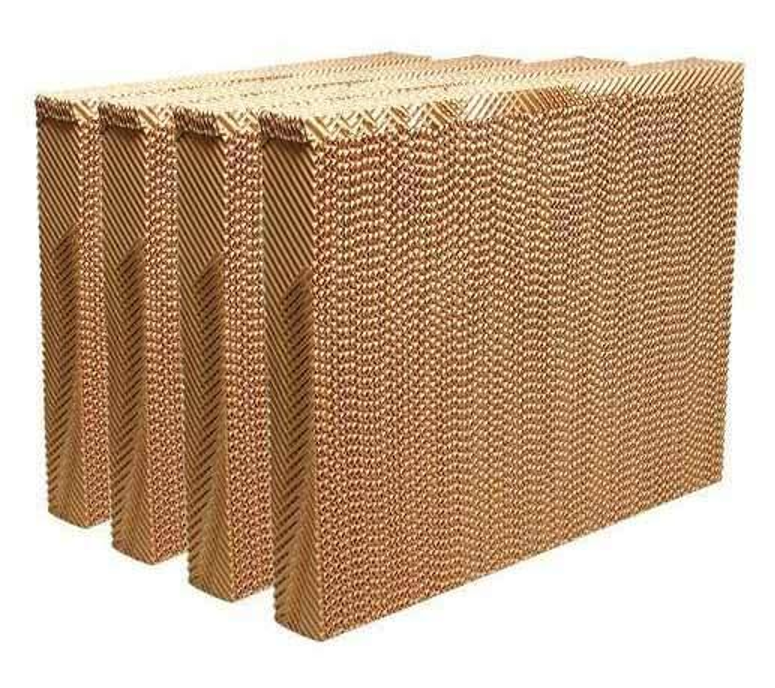
Evaporative cooler pads are specially designed materials that allow water to spread across a large surface while air passes through them. As water evaporates, it absorbs heat from the surrounding air, reducing the temperature of the outgoing air under suitable environmental conditions.
These pads are commonly used in evaporative cooling equipment serving industrial, commercial, and other large spaces. Their performance depends on the material, pad structure, airflow, water distribution, and the temperature and humidity of the incoming air.
Understanding the Structure and Function of Cooling Pads
Cooling pads are designed with channels, pores, or other surface structures that distribute water and create contact between the moving air and the wetted material. This arrangement provides an effective surface for evaporation without requiring a solid, impermeable barrier.
The pad must allow sufficient airflow while retaining and distributing water appropriately. Its structure also needs to withstand continuous exposure to moisture and the operating conditions of the equipment.
How Water Evaporation Reduces Air Temperature
When liquid water evaporates, it absorbs heat from its surroundings. In an evaporative cooler, incoming air passes through the wetted pad, and some of the water changes into vapour. This process reduces the air temperature while increasing its moisture content.
The amount of cooling depends heavily on the difference between the incoming air’s dry-bulb and wet-bulb temperatures. Hot, dry air generally provides greater evaporative cooling potential than hot, humid air.
Why Pad Design Matters for Industrial Cooling Performance
Pad design affects how evenly water spreads, how much air can pass through the material, and how effectively heat is transferred during evaporation. A pad with unsuitable dimensions or excessive airflow resistance can restrict system performance.
Material strength, water absorption, channel geometry, and resistance to deterioration also influence service life. Selecting pads that match the manufacturer’s specifications helps maintain the intended balance between evaporation, airflow, and durability.
How Do Evaporative Cooler Pads Improve Cooling Efficiency?
Cooling efficiency depends on more than the pad material alone. The interaction between the pad, fan, water circulation system, and incoming air determines how effectively the cooler transfers heat.
The Relationship Between Pad Surface Area and Evaporation
A larger effective wetted surface provides more opportunity for air and water to interact. Pad channels and surface patterns help increase contact between the air and the water distributed throughout the material.
However, increasing surface area alone does not guarantee better performance. The pad must also maintain suitable airflow, water distribution, and pressure drop for the cooling unit.
How Airflow and Water Distribution Affect Performance
Air needs to move through the pad at a suitable rate for effective evaporation. Excessive airflow may reduce contact time, while insufficient airflow can limit the volume of cooled air delivered to the space.
Water distribution is equally important. If the upper distribution system supplies water unevenly, some sections of the pad may remain dry while others become excessively wet. This reduces the usable evaporative surface and may affect cooling consistency.
The Importance of Pad Thickness and Pressure Drop
Pad thickness influences the distance air travels through the wetted material and can affect heat and moisture transfer. However, thicker pads may also create greater resistance to airflow, depending on their structure.
Pressure drop refers to the reduction in air pressure as air moves through the pad. The selected pad must provide an appropriate balance between cooling effectiveness and fan energy requirements.
How Ambient Humidity Influences Cooling Results
Outdoor humidity strongly affects the amount of cooling available through evaporation. When air already contains substantial moisture, less additional water can evaporate under comparable conditions.
This means the same pad and cooler may produce different results in different climates or at different times of the day. Equipment selection should therefore consider local operating conditions rather than relying on a single performance figure.
What Types of Evaporative Cooler Pads Are Available?
Cooling pads are manufactured from different materials and structural designs to meet varying airflow, water distribution, durability, and maintenance requirements. The right choice depends on the cooler’s design, operating environment, and the manufacturer’s recommendations.
Cellulose-Based Cooling Pads
Cellulose-based pads are commonly used in evaporative cooling equipment. They are often made from treated paper arranged in a structured pattern that promotes water distribution and airflow.
Their performance depends on pad construction, treatment, water quality, and operating conditions. Buyers should verify the specified cooling efficiency, pressure drop, dimensions, and compatibility before choosing a replacement.
Other Cooling Pad Materials and Their Applications
Other pad materials may include synthetic media and specialised materials designed for particular operating conditions. Their suitability depends on moisture resistance, structural strength, cleaning requirements, and compatibility with the equipment.
Not every material is interchangeable. A pad that fits physically may still have unsuitable airflow resistance or water distribution characteristics.
Comparing Pad Structure, Durability, and Maintenance Needs
When comparing cooling pads, consider their effective surface area, structural stability, resistance to scale buildup, and ability to maintain even wetting. Maintenance requirements also influence their long-term value.
Review the manufacturer’s guidance for cleaning methods and operating limits. Aggressive cleaning or unsuitable chemicals can damage some materials and shorten their service life.
Choosing Pads for Industrial and Commercial Equipment
Industrial and commercial coolers may operate for extended periods, making consistent airflow and reliable water distribution particularly important. The selected pad should suit the equipment’s intended airflow, operating schedule, and environmental conditions.
For product information and cooling equipment options, visit ARCTIC.
How Do You Choose the Right Evaporative Cooler Pads?
Choosing replacement pads requires checking more than their dimensions. Compatibility, cooling performance, water quality, and maintenance requirements all affect how well the pad operates within the complete system.
Match Pad Dimensions to the Cooling Equipment
Measure the existing pad and confirm its length, width, and thickness against the equipment specifications. Also check the installation frame and the way the pad fits within the cooler.
Incorrect dimensions can create gaps, restrict airflow, or interfere with proper water distribution. Confirm the correct product specification before ordering replacement media.
Check Evaporation Efficiency and Airflow Requirements
Review the manufacturer’s performance data, including cooling effectiveness and pressure drop at the intended airflow. A pad should support the required cooling performance without creating excessive resistance for the fan.
Where equipment operates under demanding conditions, ensure the pad specification matches the cooler’s design rather than choosing solely on price.
Consider Water Quality and Operating Conditions
Water containing high concentrations of dissolved minerals can contribute to scale buildup on the pad. Dust and other airborne particles may also accumulate and affect water distribution or airflow.
Assess water quality, operating hours, ambient conditions, and maintenance practices when selecting pad materials. These factors can influence both performance and replacement frequency.
Evaluate Material Compatibility and Expected Service Life
Confirm that the material is suitable for the equipment and its operating environment. Review the manufacturer’s information about durability, cleaning limitations, and expected service conditions.
Avoid assuming that every pad has the same service life. Actual lifespan varies with water quality, maintenance, usage, and environmental exposure.
Verify Manufacturer Specifications Before Purchasing
Check the required dimensions, material type, airflow rating, pressure drop, and installation requirements. Where technical data is available, compare performance under equivalent conditions.
Manufacturer specifications help ensure the selected pad supports the cooling system’s intended operation.
How Should You Maintain Evaporative Cooler Pads?
Routine maintenance helps preserve cooling performance and identify developing problems before they cause substantial airflow or water distribution issues. The maintenance schedule should reflect the operating environment and the equipment manufacturer’s instructions.
Inspect Pads for Mineral Deposits and Uneven Wetting
Inspect the pad surface for scale, dust, discolouration, and areas that do not become evenly wet. Mineral deposits can interfere with evaporation and water movement through the material.
Record recurring problems so that water quality, distribution components, and cleaning procedures can be reviewed where necessary.
Check Water Distribution and Recirculation Components
Inspect distribution pipes, spray outlets, pumps, and water collection areas. Blockages or damaged components may cause some parts of the pad to receive insufficient water.
Correcting these issues helps maintain consistent wetting and reduces the risk of premature pad deterioration.
Clean Pads According to Manufacturer Instructions
Follow the specified cleaning method for the installed pad material. Some pads may tolerate gentle cleaning, while others can be damaged by excessive force, harsh chemicals, or unsuitable treatments.
Switch off and isolate the equipment as required before maintenance. Cleaning should remove manageable deposits without damaging the pad structure.
Monitor Airflow and Cooling Performance
Changes in airflow, supply temperature, or fan operation may indicate restricted pads or another system problem. Monitoring these indicators helps identify when inspection or maintenance is needed.
Assess the complete cooling system before attributing reduced performance to the pads alone.
Follow Seasonal Maintenance and Shutdown Procedures
Follow the manufacturer’s instructions when preparing equipment for periods of reduced use or seasonal shutdown. Procedures may include draining water systems where appropriate, cleaning components, inspecting the pads, and protecting equipment from damage.
Before restarting the cooler, check water distribution, airflow, and general operating condition.
What Are the Signs That Cooling Pads Need Replacement?
Cleaning can resolve some cooling pad problems, but it cannot restore material that has deteriorated or lost its structural integrity. Regular inspection helps determine whether maintenance is sufficient or replacement is necessary.
Persistent Scale Buildup or Mineral Deposits
Heavy mineral deposits may remain even after appropriate cleaning. If scale prevents water from spreading evenly or significantly affects airflow, replacement may be required.
Damaged, Deformed, or Deteriorating Pad Material
Crushed channels, broken sections, material separation, and structural deformation can reduce effective surface area and disrupt airflow. Replace pads when damage prevents them from operating as intended.
Uneven Water Distribution and Dry Areas
Persistent dry sections may indicate blocked distribution components or a deteriorated pad structure. Check the water delivery system first. If the pad no longer distributes water effectively, replacement may be the appropriate solution.
Reduced Airflow or Declining Cooling Performance
Restricted airflow and reduced cooling may indicate clogged pads, scale buildup, or material deterioration. Inspect the pads alongside the fan, filters, and water circulation system to identify the underlying cause.
When Cleaning Is No Longer Sufficient
Replacement should be considered when deposits cannot be removed safely, the pad is structurally damaged, or performance remains poor after maintenance. Follow the manufacturer’s recommendations when deciding whether continued use is appropriate.
What Problems Can Poorly Maintained Cooling Pads Cause?
Neglected cooling pads can affect the entire cooling system, increasing maintenance requirements and reducing the consistency of indoor conditions. Timely inspection helps prevent avoidable operating problems.
Restricted Airflow and Increased Fan Load
Dust, scale, and accumulated debris can obstruct airflow through the pad. This may increase pressure drop and require more fan energy to maintain the required air delivery.
Uneven Cooling Across the Facility
Uneven water distribution or blocked pad sections can reduce cooling effectiveness. When the system cannot deliver the required airflow and temperature reduction, indoor conditions may become inconsistent.
Water Management and Hygiene Concerns
Standing water, accumulated deposits, and neglected water circulation components require attention. Proper cleaning, drainage, water management, and maintenance procedures help control hygiene risks in evaporative cooling equipment.
Higher Maintenance Requirements and Reduced Equipment Performance
Poorly maintained pads may require more frequent inspections and cleaning, while damaged media may need early replacement. A planned maintenance schedule helps preserve performance and identify problems before they affect the complete system.
Frequently Asked Questions About Evaporative Cooler Pads
1. How long do evaporative cooler pads last?
Their lifespan depends on pad material, water quality, operating hours, environmental conditions, and maintenance. Inspect the pads regularly and follow the manufacturer’s replacement guidance rather than relying on a universal timeframe.
2. Can evaporative cooler pads be cleaned and reused?
Many pads can be cleaned and reused if their material and condition allow it. Always follow manufacturer instructions and replace pads that remain clogged, deteriorated, or unable to distribute water properly.
3. How do you know which cooling pad fits your air cooler?
Check the required dimensions, material, airflow rating, and equipment specifications. Confirm compatibility with the manufacturer before purchasing replacement pads.
4. Why are my evaporative cooler pads not getting wet evenly?
Possible causes include blocked water distribution outlets, pump problems, mineral deposits, or damaged pad material. Inspect the water circulation system and the pads to identify the source of the problem.
5. Do evaporative cooler pads affect electricity consumption?
Yes. Pad condition and pressure drop influence the airflow resistance that the fan must overcome. Blocked or poorly maintained pads may increase fan energy requirements or reduce air delivery, depending on the system.
Conclusion: Maintaining Cooling Pads for Reliable System Performance
Evaporative cooler pads play an important role in cooling performance by supporting water evaporation, heat transfer, and airflow. Selecting compatible pads and maintaining them properly helps preserve system efficiency and reliable operation.
Regularly inspect for scale buildup, uneven wetting, structural damage, and declining cooling performance. Clean pads according to manufacturer instructions and replace them when deterioration or persistent blockage prevents effective operation.
For assistance with selecting suitable cooling pads for your equipment, review the available products and Contact Us to discuss your cooling requirements.