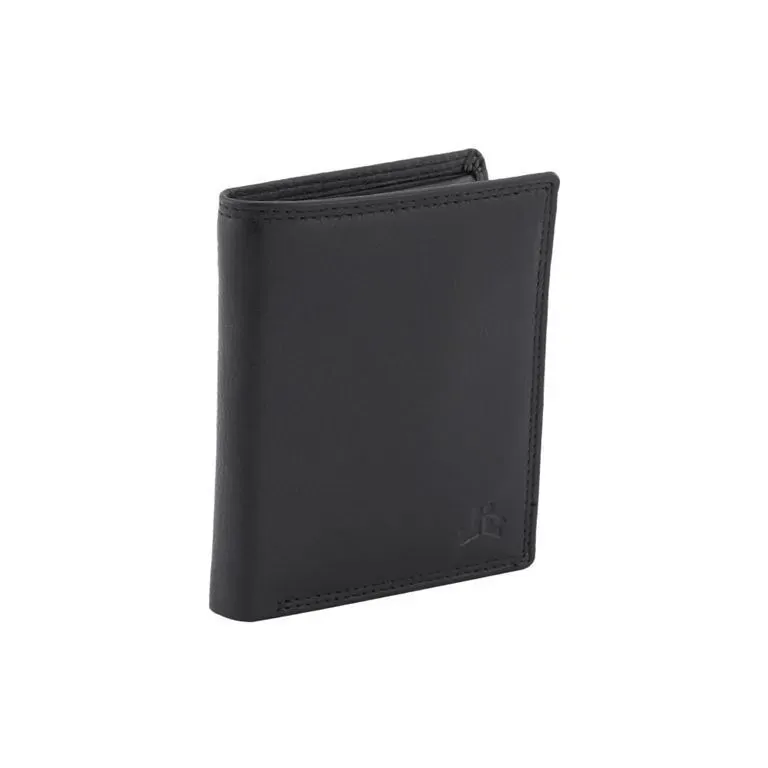
ByJohn A
How a Slim Card Holder Wallet Can Simplify Everyday Carry
Carrying everyday essentials does not require a bulky wallet filled with receipts, loose change, and cards that rarely leave their compartments. For people who prefer lighter pockets and a more organised routine, a slim card holder wallet offers a practical alternative. Its compact design keeps frequently used cards close at hand without taking up much space.
A card holder suits different lifestyles, from office commutes and weekend outings to business travel and quick shopping trips. The best option depends on how many cards a person carries, whether cash is still part of their routine, and how the wallet will be stored. Choosing the right card holder wallet Australia option can make daily organisation easier while keeping essential belongings accessible.
Why a Smaller Wallet Makes a Difference
Traditional wallets often have separate compartments for coins, banknotes, receipts, photographs, and numerous cards. Those features can be useful, but they also encourage people to carry more than they need.
A slim card holder focuses on the essentials. Most designs include a few card slots, with some offering a central pocket for folded notes or a small amount of cash. The reduced size takes up less room in a trouser pocket, jacket, handbag, or travel pouch.
The difference becomes noticeable during a busy day. A bulky wallet can create an uneven outline in fitted trousers or make a small bag harder to organise. A compact holder reduces that bulk and leaves more space for other belongings.
Carrying fewer items can also make it easier to keep track of what is inside the wallet. A quick review reveals which cards are being used and which can be stored elsewhere. The result is a more deliberate approach to everyday carry rather than an accessory filled with forgotten items.
Choose a Card Holder That Fits Your Routine
Not every compact wallet offers the same level of storage. Some are designed for two or three frequently used cards, while others include several slots and a separate compartment for cash.
For Daily Commuters
People who travel to work often need a bank card, identification, transport pass, and perhaps an access card. A card holder with dedicated slots makes these items easy to reach without searching through a larger wallet.
Choose a layout that allows frequently used cards to slide out comfortably. Slots that are too tight can be frustrating, while loose slots may not hold cards securely. A well-designed holder should balance easy access with a dependable fit.
For Minimalist Carry
Someone who mainly uses contactless payments may need only a bank card, identification, and one backup payment card. A compact two-sided holder can accommodate these essentials while keeping pocket space to a minimum.
This design also encourages regular organisation. There is little room for expired membership cards, old receipts, or unnecessary loyalty cards, making it easier to keep the wallet tidy.
For Travel and Longer Days Out
Travel may require extra identification, a backup payment card, and some emergency cash. A slightly larger card holder with a central pocket can offer more flexibility without becoming as bulky as a traditional wallet.
Keep backup cards separate from the main payment card when travelling, where practical. This can reduce the inconvenience of losing access to every payment method at once. Important documents and travel funds should also be stored according to the needs of the trip.
Look for Materials That Suit Everyday Use
Material influences how a card holder feels, ages, and withstands regular handling. Leather remains a popular option because it combines a refined appearance with flexibility and durability when properly maintained.
Full-grain leather retains much of the hide’s natural surface and may develop a distinctive patina over time. Top-grain leather is also commonly used for premium accessories and can provide a smooth, polished finish. The quality of construction matters alongside the material itself.
Pay attention to the stitching, edge finishing, and slot openings. Neat stitching helps the wallet maintain its structure, while carefully finished edges can reduce premature wear. Uneven seams or loose threads may indicate that the product will struggle with frequent use.
Synthetic materials and technical fabrics offer alternatives for people who prefer a lightweight, water-resistant, or animal-free option. Their performance varies according to the material and construction, so inspect the finish and read the product details before purchasing.
A wallet does not need elaborate decoration to look good. Clean lines, restrained branding, and a suitable colour often make a card holder easier to use with different clothing styles.
Keep Your Essential Cards Organised
A compact wallet works best when each slot has a clear purpose. Place the bank card used most often in the easiest-to-reach position, with identification and secondary cards in the remaining slots.
Avoid filling every compartment simply because space is available. Too many cards can stretch the slots, increase thickness, and make individual cards harder to remove. Keep rarely used membership cards and other non-essential items in a separate place.
Review the contents every few weeks. Remove expired cards, duplicate loyalty cards, and receipts that are no longer required. If a particular card is only needed occasionally, consider storing it separately until it is necessary.
This approach can also help reduce the consequences of losing a wallet. Carrying fewer cards means fewer items may need to be cancelled or replaced. It is still sensible to keep important backup information and alternative payment methods accessible in a secure location.
Decide How Much Cash You Need to Carry
A slim card holder can work for people who rarely use cash, but the available storage varies between designs. Some have no banknote compartment, while others feature a central pocket or a folded cash sleeve.
If cash is part of your daily routine, look for a design that accommodates a few folded notes without creating excessive thickness. Test how the holder closes when loaded with the number of cards and notes you expect to carry.
For occasional cash use, a small central pocket may be sufficient. People who regularly handle coins may prefer a different design, as coin compartments can add bulk and may not be available in minimalist holders.
The aim is to choose storage that reflects actual habits rather than buying a wallet with features that will rarely be used.
Consider Security and Contactless Protection
Many payment cards use contactless technology, which allows compatible terminals to communicate with the card at close range. Some card holders include radio-frequency identification (RFID) shielding designed to reduce certain types of unauthorised wireless scanning.
The usefulness of this feature depends on the design and the type of card or signal involved. RFID protection should not be treated as a complete defence against payment fraud, identity theft, or card misuse.
Basic precautions remain important. Keep cards in secure compartments, check bank notifications, and report missing cards promptly. Avoid storing sensitive information in easily accessible pockets, and use reliable payment security settings where available.
A slim wallet can make it easier to notice when a card is missing because its contents are limited. However, good organisation should be combined with sensible account monitoring and safe handling of personal information.
Find a Design That Works with Your Clothing
A card holder should fit comfortably into the way a person dresses. A thin leather design works well with tailored trousers, business clothing, and lightweight jackets because it does not create a prominent outline.
For jeans and casual outfits, a textured leather or fabric holder can provide a more relaxed appearance. Neutral colours such as black, brown, navy, and grey are easy to coordinate with other accessories.
Storage location matters as well. A slim holder may sit comfortably in a front trouser pocket, reducing the need to carry a large wallet in a back pocket. Some people prefer a jacket pocket or a dedicated compartment in a handbag.
Avoid placing the wallet in a position where sitting, bending, or walking puts repeated pressure on the cards. Although payment cards are designed for everyday use, excessive bending or pressure can damage them.
Maintain the Wallet for Long-Term Use
Compact wallets still need occasional care, especially when made from leather. Wipe away dust with a soft cloth and follow the manufacturer’s instructions for cleaning the specific material.
Keep leather away from prolonged moisture and direct heat. If it becomes wet, blot the surface gently and allow it to dry naturally. Use leather conditioner only when appropriate for the finish, as some coated materials do not require it.
Check the card slots periodically for stretched edges, loose stitching, or damaged lining. Remove cards gently rather than pulling them out at an angle that places unnecessary strain on the seams.
For fabric or synthetic holders, use cleaning products recommended by the manufacturer. Strong chemicals can affect colour, coatings, and adhesives.
Make Everyday Carry More Intentional
A slim card holder wallet encourages people to think carefully about what they carry. Instead of keeping every card, receipt, and piece of paper close at hand, they can prioritise the items needed throughout an ordinary day.
Start by listing the essentials: a primary payment card, identification, any required access or travel card, and a backup payment option if appropriate. Choose a holder that accommodates these items comfortably, with enough room for the small amount of cash you may need.
The benefit is not simply a smaller accessory. A well-chosen card holder can make belongings easier to organise, reduce pocket bulk, and simplify everyday routines. By selecting suitable materials, keeping the contents under control, and maintaining the wallet properly, it can remain a useful companion for commuting, shopping, business appointments, and travel.