ByJohn A
Dish Washing Soap: What to Consider for Everyday Kitchen Cleaning
Washing dishes is one of those household tasks that rarely stays finished for long. Breakfast plates, cooking utensils, lunch containers, and dinner cookware all need attention throughout the day. The dishwashing product you choose can make this routine easier, but the right option depends on more than its fragrance or ability to produce foam.
Dish washing soap comes in several forms, including liquid detergents, concentrated formulas, and solid dish soap bars. Each offers different advantages in terms of storage, application, packaging, and everyday convenience. Understanding these differences can help you choose a product that suits your kitchen habits while making cleaning more manageable.
What Is Dish Washing Soap?
Dish washing soap is a cleaning product designed to remove grease, food residue, and other everyday messes from dishes and kitchen utensils. Many products contain surfactants, which help loosen oils and allow dirt to be rinsed away with water.
Although people often use the terms dish soap and dishwashing detergent interchangeably, formulations can differ. Some products are designed for handwashing, while others are specifically formulated for automatic dishwashers. These products are not necessarily interchangeable, so checking the label is important.
For manual dishwashing, the ideal product should clean effectively, rinse away easily, and suit the materials being washed. The amount needed will depend on the product’s concentration, the size of the load, and how heavily soiled the dishes are.
Different Types of Dishwashing Soap
Choosing a suitable product begins with understanding the available formats.
1. Liquid Dishwashing Soap
Liquid dishwashing soap is a familiar choice in many kitchens. It can be dispensed directly onto a sponge, brush, or dish, making it convenient for washing everything from cups to cookware.
Many liquid formulas are available in different concentrations and scents. Some come in refillable or refill-friendly packaging, while others use standard plastic bottles.
Because formulations vary, follow the manufacturer’s directions for the amount to use. Adding more soap than necessary does not always improve cleaning and may require extra rinsing.
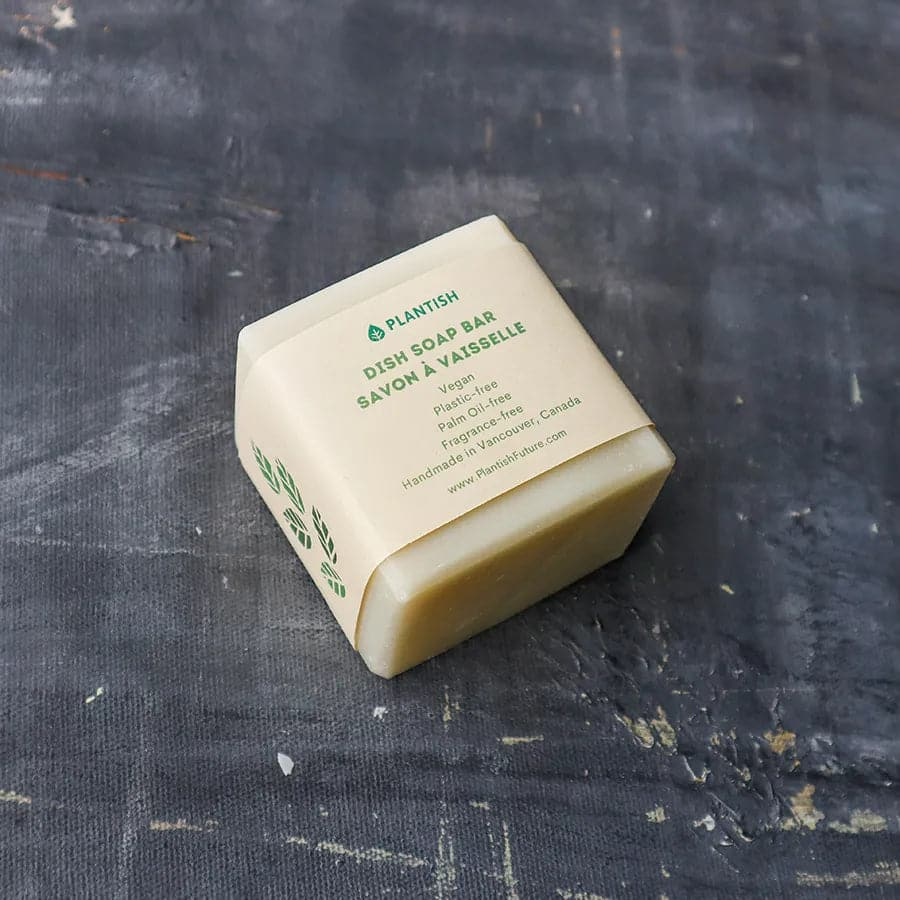
2. Solid Dish Soap Bars
Solid dish soap bars provide an alternative to liquid products. They are typically used by wetting a dish brush or sponge and rubbing it against the bar to pick up the cleaning product.
A solid bar can be convenient for kitchens with limited storage space. It may also reduce the need for a conventional liquid bottle, depending on the packaging and how the product is manufactured.
Solid formulas vary in ingredients and performance. Some are intended for general dishwashing, while others may have particular usage instructions. Read the label before using a bar on delicate cookware or specialty surfaces.
3. Concentrated Dishwashing Products
Concentrated products are formulated so that a relatively small amount can clean a load of dishes. The actual dosage depends on the specific formula and the level of soiling.
Using the recommended amount can help prevent unnecessary product consumption. It is still important to follow the label rather than assuming that every concentrated cleaner works in the same way.
4. Eco-Conscious Dishwashing Options
Some shoppers prefer dishwashing products that emphasize ingredients, packaging, or waste reduction. These may include solid soap bars, products with refill options, or formulas marketed around particular environmental considerations.
Environmental claims should be evaluated carefully. Terms such as “green,” “natural,” and “eco-friendly” do not automatically establish a product’s overall environmental impact. Ingredients, manufacturing, packaging, transportation, and disposal can all play a role.
A practical approach is to review the product information and choose features that align with your household’s priorities.
What to Look for When Choosing Dish Washing Soap
A suitable product should fit your cleaning routine, the dishes you wash, and your preferences for ingredients and packaging.
Cleaning Performance
The primary job of dishwashing soap is to remove food residue and grease. Consider the types of messes you encounter most often, such as oily pans, sauce-covered plates, or everyday drinkware.
If you regularly cook with oils, you may prefer a formula designed to handle greasy dishes. For dried-on food, soaking cookware in warm water before washing can help loosen residue without excessive scrubbing.
No single product eliminates the need for proper washing technique. The cleaning tool, water temperature, and time spent rinsing all contribute to the result.
Skin Comfort
People who wash dishes frequently may notice dryness or irritation on their hands. Fragrance, cleaning ingredients, prolonged water exposure, and individual sensitivities can all contribute.
If your hands are prone to irritation, consider an appropriately labeled formula with fewer potential triggers, and use protective gloves if they help. Rinse your hands after washing and apply hand moisturizer when needed.
Stop using a product that causes a persistent rash or significant discomfort. Seek professional advice if symptoms continue.
Ingredients and Fragrance
Dishwashing products may contain surfactants, fragrances, preservatives, and other ingredients that support their performance or stability. The exact composition differs between brands and product types.
If you have known sensitivities, review the ingredient list rather than relying solely on front-label descriptions. A fragrance-free option may be worth considering if scented products have caused problems for you previously.
Remember that an ingredient’s origin alone does not determine how a finished product will perform or whether it will suit your skin.
Packaging and Storage
Packaging can affect how convenient a product is to use and store. Liquid soap usually needs a bottle or dispenser, while solid bars require a dry place between uses.
A solid dish soap bar should be kept on a draining dish or rack so excess water can escape. Leaving it in a puddle can soften the bar and cause it to dissolve more quickly.
If reducing packaging is one of your priorities, compare the packaging formats available and consider how much product you typically use.
Value for Money
The lowest-priced product is not always the most economical choice. Consider the amount supplied, the recommended dosage, how well the product cleans, and how long it lasts under your normal washing routine.
A concentrated formula may require less product per wash, while a solid bar’s lifespan depends on its size, formulation, and storage conditions. Comparing products on a practical cost-per-use basis can provide a more useful picture than comparing package prices alone.
How to Use Dishwashing Soap Effectively
Good dishwashing habits can help you use your chosen product efficiently.
Remove leftover food first. Scrape food scraps into the waste bin before washing. This reduces the amount of debris entering the sink and cleaning tool.
Use an appropriate amount of soap. Follow the product instructions instead of adding more automatically.
Choose a suitable cleaning tool. A dish brush can help reach corners and utensil handles, while a sponge may be convenient for broad, flat surfaces. Use non-abrasive tools on cookware that can scratch easily.
Wash carefully. Pay attention to areas where food and grease collect, including the rims of containers and the edges of plates.
Rinse thoroughly. Remove soap and loosened residue with clean water.
Allow dishes to dry. Use a clean drying rack or another appropriate method. Keep the drying area reasonably clean and avoid stacking wet dishes in a way that traps moisture.
For cookware with dried-on food, soaking may reduce the effort required. Always follow the manufacturer’s cleaning recommendations for nonstick coatings and other delicate finishes.
Is Solid Dish Soap a Practical Choice?
Solid dish soap can work well for people who prefer a compact cleaning product and want to explore alternatives to conventional liquid bottles. It is particularly useful when you have a suitable place to keep the bar dry between uses.
To use one, wet a dish brush or sponge, gently rub it against the bar, and wash the dishes as directed. Add more product only when necessary.
Storage is important. A draining holder allows water to escape and helps the bar remain firm. If the bar becomes soft, move it to a better-ventilated location and allow it to dry between washing sessions.
If you want to compare solid formats, explore the dishwashing soap collection at Plantish Future. Review the product details to understand the intended use, ingredients, and care recommendations before choosing an option.
Common Dishwashing Mistakes to Avoid
Small changes in technique can make everyday cleaning more effective.
- Using excessive soap: Extra product may create more rinsing work without delivering better results.
- Leaving solid soap in standing water: Constant moisture can cause a bar to soften and wear down quickly.
- Using the wrong product in a dishwasher: Handwashing liquids and automatic dishwasher detergents are formulated differently. Use only products suitable for your machine.
- Ignoring cleaning-tool hygiene: Rinse sponges and brushes after use and allow them to dry properly.
- Scrubbing delicate cookware too aggressively: Match the cleaning tool to the material.
- Mixing cleaning products: Avoid combining dish soap with other cleaners unless the product labels explicitly permit it.
These habits can help keep the washing process straightforward while protecting your kitchenware.
Building a More Practical Kitchen Cleaning Routine
An efficient dishwashing routine does not require a complicated collection of products. A suitable soap, a reliable brush or sponge, and a clean place for drying dishes are enough for many households.
Choose products according to your actual needs rather than buying several alternatives at once. If packaging reduction matters to you, compare solid bars and refill options. If hand comfort is a concern, examine ingredients and consider protective gloves.
Consistency also matters. Washing dishes regularly prevents food residue from building up, while cleaning and drying your tools helps keep them ready for the next use.
Final Thoughts
Dish washing soap is a basic kitchen essential, but the available choices can make a difference to convenience, storage, and cleaning habits. Liquid formulas, concentrated products, and solid bars each have characteristics worth considering.
Focus on cleaning performance, ingredient information, packaging, value, and ease of use. Follow the product instructions, choose appropriate cleaning tools, and store your soap properly.
With a little attention to these details, everyday dishwashing can become a more organized routine that suits your household without unnecessary complexity.